
Sugar Refining
Nickel Alloy in the High-Temperature Evaporator Train
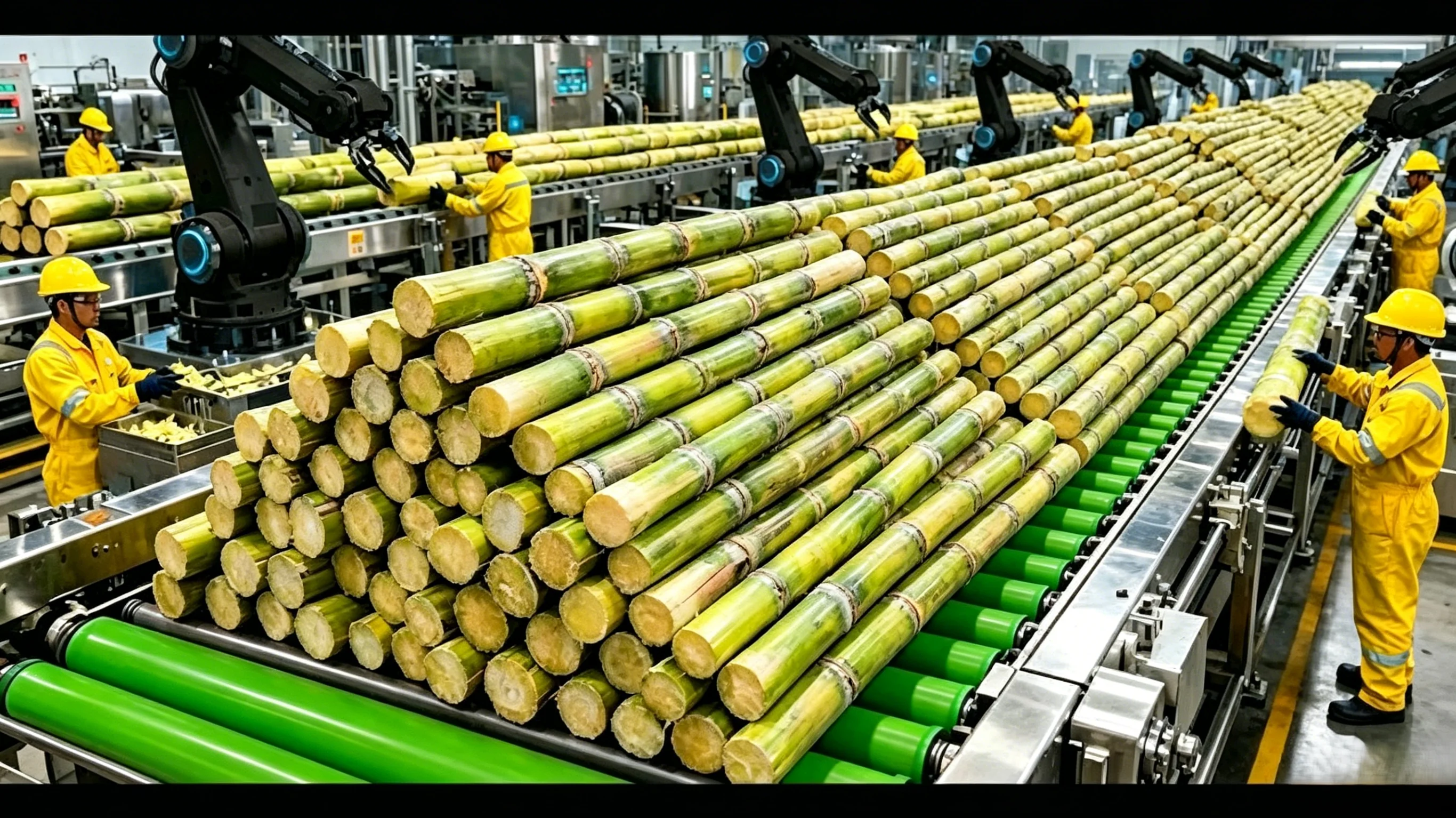
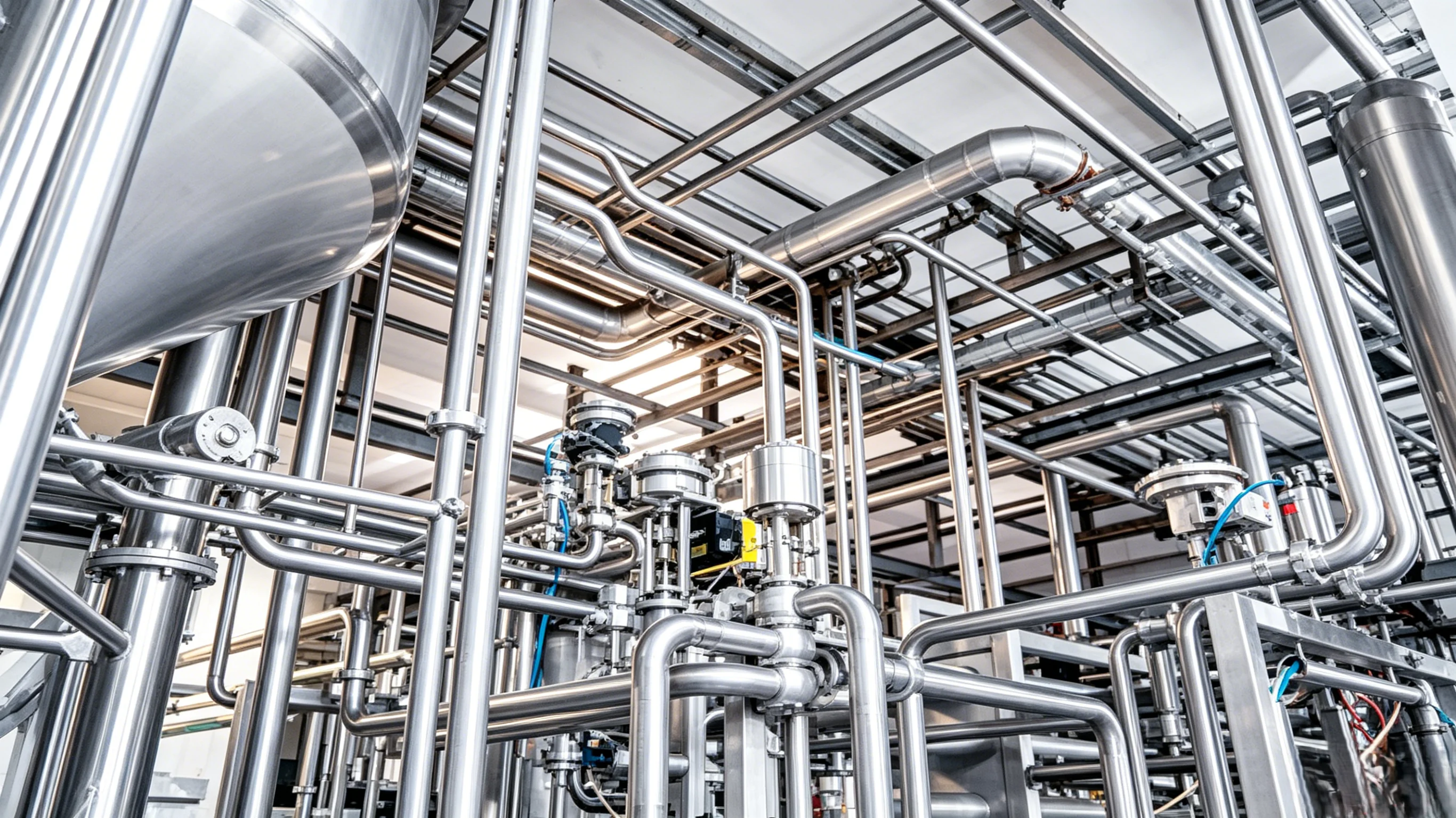
Industry Overview
Sugar refining is, correctly, a stainless-steel industry: juice heaters, evaporator bodies, crystallisers and syrup lines are built in 304L and 316L, and TOKO ALLOY does not supply those grades. The honest boundary is this — nickel alloy appears in only two places in a refinery. First, the final-effect and high-temperature evaporator tubes where chloride concentrates during cane or beet processing combined with clean-in-place hypochlorite. Second, wherever caustic or hypochlorite cleaning cycles have already stress-cracked 316L. If neither applies, stainless is the right answer and we will say so.
Key Challenges
Chloride Concentration in Final Effects
As syrup is concentrated, chloride and organic acid levels rise in the last effects while the temperature stays high — the window where 316L begins to pit and chloride-SCC becomes the governing failure mode rather than a theoretical one.
Clean-in-Place with Hypochlorite and Caustic
Repeated CIP with sodium hypochlorite and hot caustic is a common cause of chloride SCC in sugar evaporators. Once a vessel has cracked, replacing in the same grade repeats the failure; the fix is a higher-molybdenum or nickel alloy.
Erosion-Corrosion at Direction Changes
Crystal and bagasse load erodes the protective oxide at elbows and reducers. In nickel alloy this matters less at the fitting than at the tube wall, so the specification has to cover wall thickness, not just grade.
Thermal Cycling Fatigue
Batch heating and cooling drives thermal fatigue in tube-to-tubesheet joints. Alloys with lower thermal expansion and higher ductility than austenitic stainless — Inconel 625 in particular — tolerate more cycles before joint failure.
TOKO ALLOY Solutions
Inconel 625 for High-Chloride Final Effects (N06625)
ASTM B444 pipe and B704/B705 tube for the final-effect and high-temperature evaporator stages where chloride concentration and temperature together exceed 316L's pitting margin. PREN > 45 and thermal-fatigue resistance are the two reasons it is chosen here.
Incoloy 825 for Acidic Juice and Molasses Service (N08825)
ASTM B423 pipe where pH drops into the 3.5–5.0 range with organic acids present and chlorides are also above background — the combination that attacks 304L/316L from both directions at once.
Monel 400 for Caustic and Cleaning Circuits (N04400)
ASTM B165 pipe and B163 tube for hot caustic handling and CIP circuits. Monel 400 is one of the few alloys with genuinely good resistance to concentrated caustic at temperature, which is why it appears in cleaning-chemical service rather than in the process line.
Honest scope note
We do not supply the 304L/316L evaporator bodies, juice heaters or syrup lines that make up the majority of a sugar refinery. If a project is all-austenitic, we are the wrong supplier and will tell you so.
Recommended Materials Sugar Refining
View detailed chemical composition, mechanical properties, and corrosion resistance data for each recommended grade:
Related Products
Need Piping Solutions for Sugar Refining?
Tell us about your project requirements and we will recommend the optimal material and product specification.
Request Quote