
Natural Gas Long-Distance Pipeline — Compressor Station Piping
Project Background
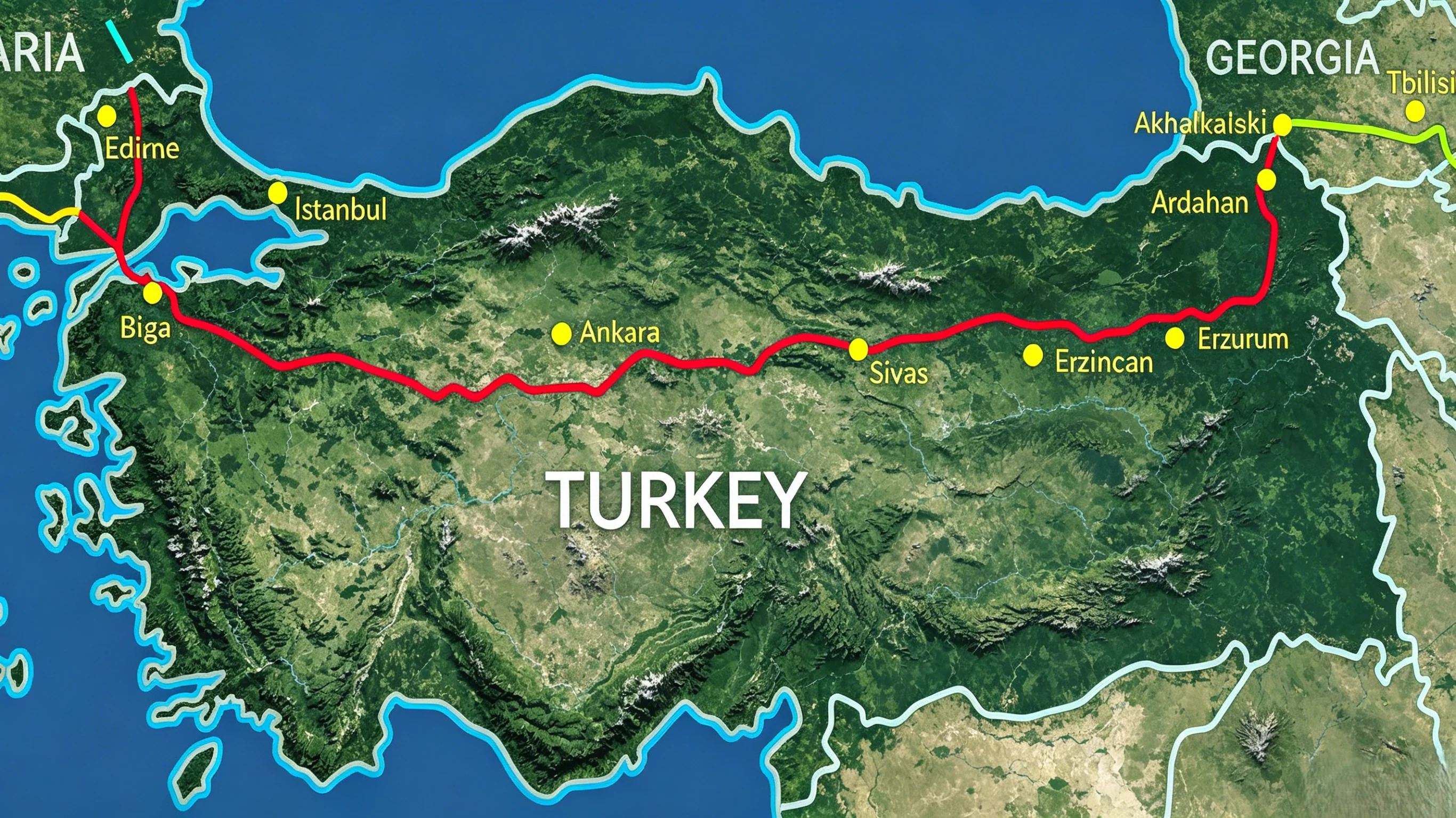
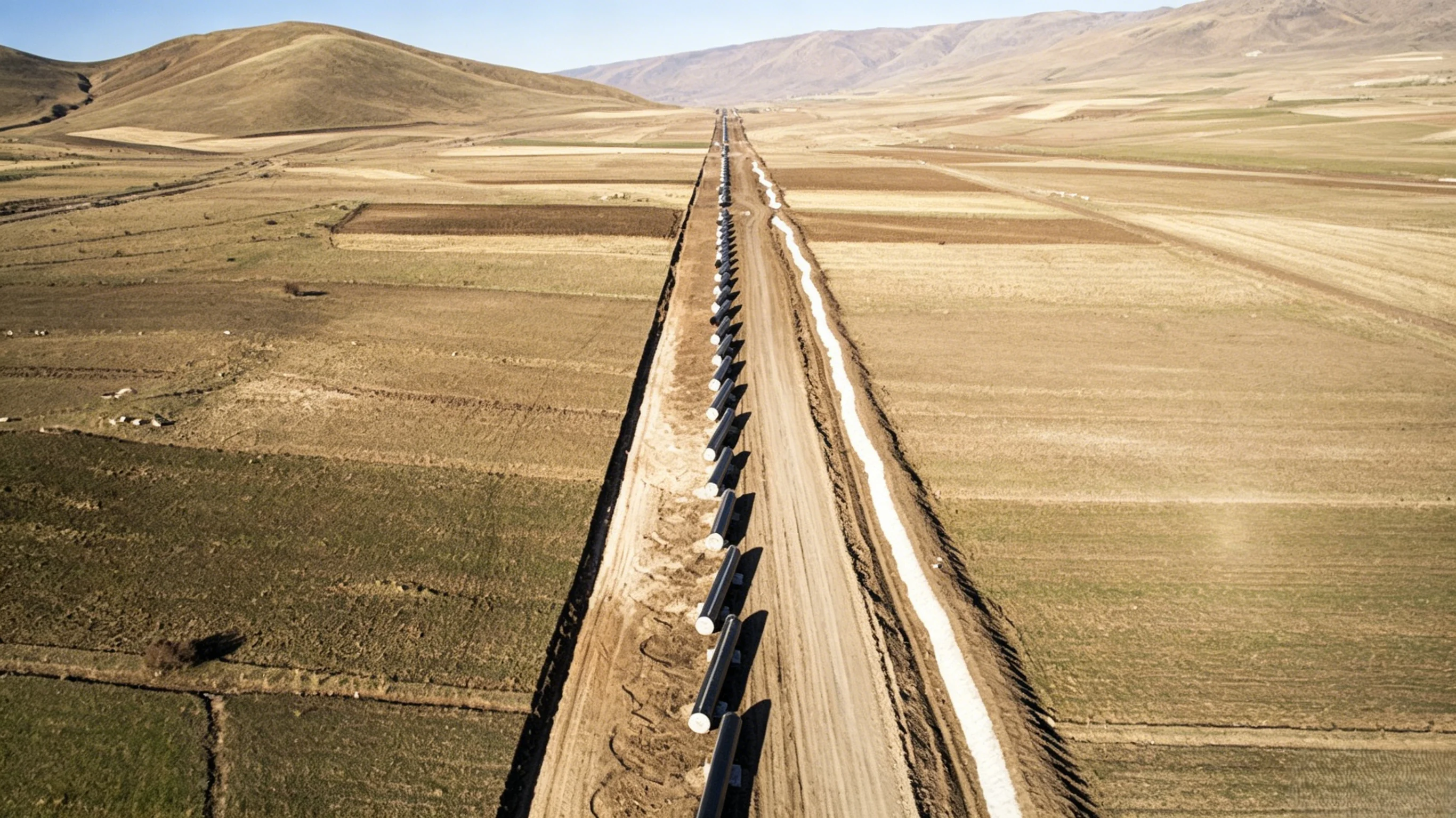
The Trans-Anatolian Natural Gas Pipeline (TANAP) is a critical section of the Southern Gas Corridor connecting the Caspian Sea to Europe, spanning 1,850 km with an annual capacity of 16 billion m³. Seven compressor stations along the route required instrument air, chemical injection, and utility piping systems capable of withstanding H₂S-rich sour gas environments in compliance with NACE MR0175, with strict demands on delivery schedules and full material traceability.
Technical Specifications
| Grade | ASTM A312 TP304L / TP316L (Dual Certified) |
| Size Range | DN15 – DN600 (1/2" – 24"), SCH 10S / 40S / 80S |
| Standards | ASTM A312, API 5LC, NACE MR0175/ISO 15156 |
| Documentation | EN 10204 3.1 MTR, PMI per tube, Hydrostatic Test Report |
The Challenge
Sour gas environments pose a dual threat of intergranular corrosion and sulfide stress cracking (SSC) to 304/316 austenitic stainless steels. Material hardness must not exceed HRC 22 per NACE MR0175, and carbon content must be strictly controlled.
TOKO TECH Solution
TOKO TECH supplied dual-certified 304L/316L seamless pipes with C ≤ 0.03%, solution-annealed to ensure intergranular corrosion resistance. Each pipe was individually tested for hardness (HRC ≤ 22) and 100% PMI verified, with full EN 10204 3.1 documentation traceable to heat number.
Related Products
Industry Applications
Search Keywords
Frequently Asked Questions
What is NACE MR0175 compliance for stainless steel pipe?
What is the difference between 304L and 316L for sour service?
What documentation is required for oil & gas pipeline projects?
Need a Similar Solution?
Tell us about your project requirements and we'll develop the optimal material specification and delivery schedule for your application.
Request a Quote